Unlocking the Charm of Cat Font for Creative Projects
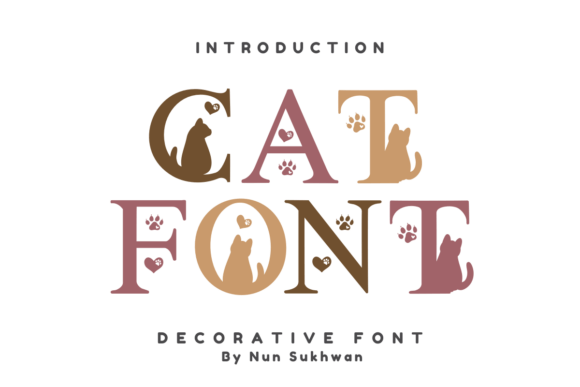
There’s a specific kind of magic in typography that captures a mood instantly. When you first encounter Cat Font, it doesn't just sit on the screen; it pounces. This isn't your standard corporate typeface or a rigid serif font. Instead, it is a feline decorative font that brings a distinct personality to the table. For designers, entrepreneurs, and hobbyists, finding a typeface that bridges the gap between playful and functional is often the missing piece in a creative puzzle. Cat Font manages to do exactly that, offering a whimsical aesthetic that feels hand-drawn, organic, and deeply personal.
The Visual Personality: More Than Just Cute
At its core, Cat Font is defined by its playful geometry and slightly irregular baseline, mimicking the organic flow of handwriting. As a premium font in the decorative category, it moves away from the mechanical precision of sans serif font families. Instead, it embraces a softer, more tactile feel. The letterforms often feature rounded edges and subtle quirks—perhaps a tail on the 'y' that curls a bit more than expected or a 't' that looks like a whisker twitching. This character makes it a standout display font, ideal for headers and logos where personality is paramount.
However, understanding its visual weight is crucial. Because it is a decorative font, it carries a strong voice. It communicates warmth, approachability, and creativity. In the realm of modern typography, where minimalism often dominates, Cat Font serves as a necessary counter-balance. It reminds the viewer that there is a human (or perhaps a feline) behind the design. For brand identity projects targeting younger demographics or family-oriented audiences, this font acts as a visual handshake—inviting and friendly.
Strategic Applications: Where Cat Font Shines
Knowing what a font looks like is one thing; knowing where to use it is another. The versatility of Cat Font lies in its ability to adapt to various media without losing its essence. It is not merely a novelty item for cat lovers; it is a robust creative font that can elevate specific types of content.
In packaging design, particularly for artisanal goods, boutique bakeries, or lifestyle products, Cat Font provides an instant "homemade" or "boutique" aesthetic. It signals to the consumer that the product inside is crafted with care. Similarly, in editorial design, it works beautifully for pull quotes or subheadings in magazines and blogs that focus on lifestyle, pets, or creative living. It breaks the monotony of long-form text blocks, drawing the reader's eye exactly where you want it.
Digital spaces are another playground. Social media graphics require high impact in split seconds. A post featuring Cat Font as the hero text can stop the scroll because it feels less like an advertisement and more like a conversation. For web design, it is excellent for landing pages, specifically for call-to-action buttons or hero banners where you want to inject personality without sacrificing clarity.
Practical Use Cases for Entrepreneurs and Creatives
- Greeting Cards and Stationery: The font’s natural flow makes it perfect for greeting cards. It mimics the personal touch of a handwritten note, making recipients feel valued.
- Merchandise: Think beyond paper. On mugs, tote bags, and shirts, the font acts as a standalone design element. It doesn't need complex illustrations to support it; the lettering is the art.
- Digital Content: For bloggers and content creators, using Cat Font for banners or headers helps establish a consistent visual tone that readers will recognize instantly across platforms.
Mastering the Pairing: Typography Fundamentals
One of the most common mistakes in logo design and layout is using a decorative font for everything. While Cat Font is charming, it needs a supporting cast. This is where font pairing becomes essential. Because Cat Font is a display font with high personality, it requires a grounding partner.
A classic strategy is to pair it with a clean, geometric sans serif font for body text. The neutrality of the sans serif allows the Cat Font to pop without creating visual clutter. For example, if you are designing a menu for a cafe, use Cat Font for the headers of the food categories and a legible sans serif for the descriptions and prices. This creates a clear visual hierarchy, ensuring the design is both beautiful and functional.
Alternatively, if your project leans toward a vintage or rustic vibe, pairing it with a sturdy serif font can create an interesting contrast. The structured nature of the serif grounds the whimsical nature of the cat-inspired letters. The key is to let Cat Font do the heavy lifting in terms of "vibe" while the secondary font handles the information delivery.
Technical Considerations and Licensing
Before integrating any typeface into a professional workflow, a practical assessment is necessary. As a commercial font, Cat Font comes with licensing that dictates how you can use it. For small business owners, this is a critical checkpoint. If you are selling products featuring the font—like the mugs or shirts mentioned earlier—you need to ensure your license covers commercial merchandise. Most premium font foundries offer specific tiers for this purpose.
Readability is another factor. While it is excellent for short bursts of text, Cat Font is generally not designed for long-form reading. Avoid using it for paragraphs in a newsletter or a book interior. It is a handwritten font style, and while legible at larger sizes, it can strain the eyes at 10pt size in a dense block of text. Always test your designs at the intended output size. What looks great in a design software mockup might look cluttered on a small mobile screen.
Evaluating the Fit
Ask yourself: Does this font support my message? If you are a law firm, probably not. But if you are a pet groomer, a children’s book author, a lifestyle blogger, or a maker of handmade goods, Cat Font could be the cornerstone of your brand identity. It communicates that you are accessible, creative, and perhaps a little bit fun.
Finally, explore the included styles. Many premium fonts come with alternates or ligatures that allow you to customize the look further. This prevents your designs from looking like a template. By utilizing these features, you ensure that your use of Cat Font remains unique to your brand, avoiding the "cookie-cutter" look that plagues many designs using standard free fonts.
In the end, typography is about connection. Cat Font offers a bridge to audiences who appreciate warmth and character. Whether you are designing a simple birthday card or a comprehensive marketing campaign for a new product, having this feline flair in your toolkit ensures you can always add a touch of personality when the moment calls for it. It is a reminder that design should be enjoyable, and sometimes, the best designs are the ones that don't take themselves too seriously.